Skip to content

Table of Contents
Dermaplaning is a gentle way to refresh dull, rough-looking skin by removing dead skin cells and fine peach fuzz from the surface. Among the most appreciated dermaplaning benefits are a smoother feel, brighter-looking complexion, and a cleaner base for skincare and makeup.
What Makes Dermaplaning Different From Other Facial Treatments
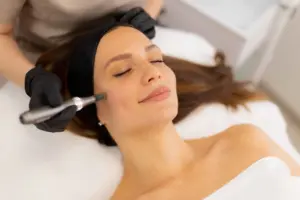
A dermaplaning facial treatment uses a sterile, medical-grade blade held at a precise angle to gently remove surface buildup and fine hair from the skin. It is performed by a trained professional and should not be confused with shaving at home.
The purpose is exfoliation first. Hair removal is an added benefit, especially for people who notice peach fuzz catching makeup, powder, sunscreen, or skincare products. Because dermaplaning does not use harsh scrubs or strong acids, it can be a good option for many people who want a physical exfoliation treatment with little downtime.
Unlike treatments that focus on deeper layers of the skin, dermaplaning works on the surface. This makes it useful for refreshing the appearance of dull or rough skin, especially before events, seasonal skincare changes, or as part of a regular skin maintenance routine.

Major Benefits of Dermaplaning
1. A Cleaner Surface for a Brighter-Looking Complexion
Dull skin often has less to do with the skin itself and more to do with buildup. Dead skin cells do not always shed evenly. When they remain on the surface, the skin can look flat, dry, or uneven in tone.
Dermaplaning helps remove that layer so the skin can reflect light more evenly. This is why many people describe their skin as looking fresher after treatment. It is not a dramatic transformation, but it can give the face a more awake and polished appearance.
For anyone looking for an exfoliation treatment for glowing skin, dermaplaning offers a simple way to address dullness without a long recovery period. The result is usually a smoother, cleaner-looking surface rather than an overdone or overly treated look.
2. Smoother Texture Without Heavy Downtime
Texture can make the skin feel older or more tired than it actually is. Dry flakes, rough patches, and uneven buildup can make the surface feel bumpy, even when the skin is healthy underneath.
Dermaplaning for smooth skin works by gently clearing away that rough outer layer. Many people notice the difference when they touch their face after treatment. The skin may feel softer and more even because the surface debris has been removed.
This can be especially helpful for people whose makeup tends to cling to dry patches or settle unevenly. A smoother surface allows foundation, tinted moisturizer, and concealer to apply more evenly. It can also help sunscreen spread better, which matters because sun protection should be part of any skincare routine after exfoliation.
3. Peach Fuzz Removal and Why It Matters
Fine facial hair is normal, but it can affect how the skin looks and feels. Peach fuzz can hold onto oils, debris, and makeup, which may make the face appear less smooth up close. It can also make powders and base products look more noticeable on the skin.
Dermaplaning for peach fuzz removal clears away this soft hair while also exfoliating the skin. The result is a face that may look cleaner and feel silkier. One common concern is that hair will grow back thicker or darker after dermaplaning. Dermaplaning does not change the hair follicle, so it does not alter the natural thickness or color of the hair.
The hair will grow back over time, but it should return to how it was before. This makes dermaplaning a practical option for people who want both exfoliation and fine hair removal in one appointment.
4. A Non-Invasive Way to Refresh the Skin
Not every skin goal requires aggressive treatments. Some people want their skin to look a little smoother, brighter, and more even without peeling, needles, or significant downtime.
Dermaplaning is considered a non-invasive skin exfoliation option because it works on the surface and does not require injections, heat-based devices, or chemical peeling. The treatment is typically comfortable, and topical numbing is usually not needed.
Some temporary redness can occur because the skin has been exfoliated. This often fades quickly. Since fresh skin is more exposed after treatment, sunscreen is important every day, including during colder months. Gentle aftercare also matters. Your provider may recommend avoiding strong exfoliants, retinoids, or active ingredients for a short time after your appointment.
How Dermaplaning Supports Skincare Products
Skincare products can only do so much when they are applied over layers of buildup. Dead skin cells and peach fuzz affect how smoothly products sit on the skin. After dermaplaning, serums and moisturizers may be applied more evenly because the surface is cleaner.
This does not mean dermaplaning makes every product stronger or changes how the skin functions overnight. It simply creates a smoother surface, which may help your skincare routine feel more effective. Moisturizer can glide on better, sunscreen can spread more evenly, and makeup can sit closer to the skin.
This is one reason dermaplaning is often included among facial treatments for radiant skin. It supports the overall look and feel of the complexion without requiring a complicated recovery process.
Dermaplaning Before and After: What Changes Are Realistic?
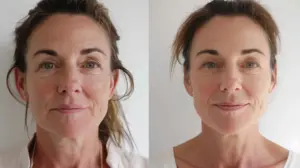
Patients often search for dermaplaning before and after results because they want to know what kind of change to expect. The most realistic improvements are usually related to texture and brightness.
Before treatment, the skin may look dull, dry, or slightly uneven. Peach fuzz may be visible in certain lighting, and makeup may not sit as smoothly. After treatment, the skin often feels softer and may appear brighter because the surface layer has been cleared.
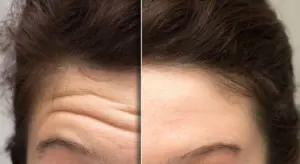
Dermaplaning is not meant to replace treatments for deeper acne scars, advanced pigmentation, or significant wrinkles. It may help soften the look of surface roughness, and with repeated treatments, some people may notice a more refined appearance. Deeper concerns may need a different plan, which is why a consultation is helpful.
Who May Benefit From Dermaplaning?
Dermaplaning may be a good fit for people who want to improve the look of dullness, rough texture, dry surface buildup, or visible peach fuzz. It can also be helpful before special occasions when a smoother makeup application is desired.
It may not be the right choice during active acne flare-ups, open cuts, sunburn, or significant irritation. A trained provider can look at your skin and decide if the timing is right. In some cases, waiting until the skin is calmer may lead to a better experience and a better-looking result.
Dermaplaning can also be part of a broader skin plan. Some patients schedule it regularly, while others choose it as an occasional refresh. The right schedule depends on your skin type, goals, sensitivity, and how quickly peach fuzz or surface buildup returns.
Aftercare Tips for Better Results
After dermaplaning, the skin may feel extra smooth, but it can also be more sensitive for a short period. Gentle care helps protect the fresh surface.
Use a mild cleanser, apply moisturizer, and wear sunscreen daily. Avoid scrubs, strong exfoliating acids, and retinoids for a short time unless your provider gives different instructions. It is also smart to steer clear of heavy sun exposure right after treatment because newly exfoliated skin can be more reactive.
The goal is to keep the skin calm, hydrated, and protected while it settles.
EMME Skin Studio Dermaplaning in Orchard Park
Dermaplaning in Orchard Park is available at EMME Skin Studio for patients who want a professional exfoliation treatment focused on smoother, brighter-looking skin. Their dermaplaning treatment uses a medical-grade surgical blade held at a 45-degree angle to remove dead skin cells and fine hair from the surface.
The treatment gently shaves the top layer of skin, allowing newer-looking skin to appear. It can help the complexion look brighter and smoother while supporting a more even-looking skin tone. By cleaning and exfoliating the surface, dermaplaning may also help skincare products apply more evenly and absorb with greater ease.
At the hands of our team, treatment time averages around 30 minutes, depending on the size of the area being treated. The procedure is not typically painful, and topical numbing is not necessary. Dermaplaning can be used on any skin type or skin color and is considered safe during pregnancy and breastfeeding.
Ready for smoother, glowing skin? Schedule your dermaplaning treatment in Orchard Park, NY, today and reveal a brighter, flawless complexion.
Frequently Asked Questions
What other treatments can I combine with dermaplaning?
Dermaplaning may be combined with certain facials, hydrating treatments, chemical peels, or other provider-recommended skin treatments, depending on your skin type and goals.
Is dermaplaning painful?
Dermaplaning is not typically painful, and most people describe it as a light scraping sensation on the skin.
How long does a dermaplaning appointment take?
A dermaplaning appointment usually takes about 30 minutes, depending on the size of the area being treated.